Parking Lot Striping Pensacola, FL: Layouts That Maximize Stalls (Without Fines)
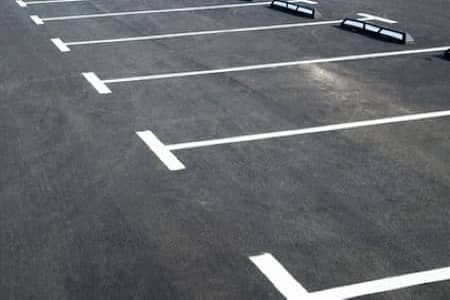
Every space counts in a busy lot. The fastest way to add capacity without pouring new asphalt is a smarter layout. This guide shows how the right plan for Pensacola weather, traffic, ADA needs, and fire lane rules keeps customers happy and regulators off your back.
If you want a pro layout from curb to curb, start with parking lot striping by Brynco Home Improvements LLC. We design around your entrances, drive lanes, and delivery zones so stalls are easy to enter, easy to exit, and easy to enforce.
Why Parking Lot Striping Pensacola Choices Matter
Pensacola lots work hard. Midday lunch rush downtown, Saturday sports traffic, and pop-up storms can all stress a layout. Lines must be clear, durable, and placed to match real-world turning paths, not just a sketch on paper.
Salt air, strong sun, and sudden rain also fade paint faster along the Gulf. A solid layout makes maintenance simple later. Fewer weird angles. Fewer confusing arrows. Better flow when it pours at 3 p.m. and everyone leaves at once.
Angled vs 90-Degree: Pick the Layout That Fits Your Lot
When Angled Parking Wins
Angled stalls guide drivers into a one‑way aisle, which feels natural and quick. Entry and exit are smooth, so traffic keeps moving near storefronts and restaurants. Angles also reduce “blind-back” conflicts.
When 90-Degree Makes Sense
Square stalls can fit more cars in the same footprint, which helps on tight sites. Two‑way aisles work well for steady turnover like offices and neighborhood retail where drivers stay longer and move less often.
- Angled: easier parking, cleaner flow, slightly fewer stalls
- 90‑degree: more stalls per square foot, tighter maneuvers, careful aisle planning needed
Not sure which way to go? We walk the site, count real turning paths, and test-fit options before paint ever hits the ground.
ADA Stall Counts and Accessible Routes, Done Right
Accessible parking is not a guess. The number of ADA stalls you need depends on the total stall count and how your customers use the property. Location, access aisles, and signs must all line up with current ADA Standards and local requirements.
We plan stalls near the main accessible entrance with a clear route free of speed bumps and steep transitions. For a deeper look at what matters most to users, see this related post on how parking lot striping benefits those with disabilities. **Count accessible spaces off the total stall number, not just customers.** That mindset prevents last‑minute rework.
Fire Lane Rules and Emergency Access Around Your Building
Fire lanes protect people and property. They are set by local fire code and your site plan, and they should wrap the building so emergency vehicles can move fast. We align curbs, no‑parking markings, and signs so the lane stays clear and enforceable.
Think about the ladder truck’s path as you place islands, dumpsters, and loading areas. **Never block or paint over a fire lane marking.** If your curb needs repainting, we coordinate the refresh with new arrows and text so everything reads the same at a glance.
Materials and Markings That Last on the Gulf Coast
Along the Bay and near the beach, sun and salt try to break down coatings early. That is why sequencing matters. **Plan seal coating before striping** so your fresh lines bond to a clean, cured surface instead of getting dulled a month later.
For timing and cure windows, this service page on seal coating explains how weather affects performance. In our climate, planning around humidity and afternoon showers gives you brighter lines for longer.
Traffic Flow, Signs, and Wayfinding That Reduce Friction
Great striping works with your signs, not against them. Crosswalks should connect to real doors. Arrows must match the intended aisle direction. Short, clear messages like “enter,” “exit,” and “stop” keep drivers from stalling at decision points.
Where delivery trucks and pickups share space with shoppers, we create protected walk zones and use stall buffers near cart returns and loading spots. That small detail reduces door dings and last‑second swerves.
Our Field-Tested Layout Process in Pensacola
1) Walk and Watch
We study how cars already move at your site. Which aisles back up at lunch? Where do delivery trucks swing wide? Real behavior guides the new layout.
2) Fit Options and Stress-Test
We test angled and 90‑degree patterns, shift islands if needed, and place ADA and fire lanes first. Then we check sight lines from actual driver eye level.
3) Stage the Work to Minimize Disruption
We stripe in phases so tenants stay open. Entry routes stay obvious during each phase, and we keep fresh paint protected until it sets.
4) Final Walk and Photo Log
We verify arrows, text, and stall spacing read clearly in daylight and at dusk. You keep a photo record that helps with future maintenance and enforcement.
Common Mistakes That Cost Spaces or Invite Fines
- Placing ADA stalls on the wrong side of the main entrance or without a clear route
- Forgetting delivery swing paths near dumpsters and dock doors
- Mixing one‑way arrows with two‑way aisles so drivers stall or back into each other
- Painting before cleaning or sealing the surface, which shortens line life
- Ignoring fire lane refresh when adding new stalls or islands
**Use a field layout, not only a CAD print.** Paper is flat; your site has curbs, slopes, and habits built over years. A quick chalk test can show if a plan really flows.
Angled vs 90-Degree: Real-World Examples
Near busy restaurants or schools, angled stalls paired with one‑way aisles speed up turnover and reduce hesitation. Drivers angle in, load up, and angle out with fewer multi‑point moves.
In office parks and medical buildings where stays are longer, 90‑degree stalls often win. You gain more spaces per row, which helps tenants who need all‑day parking without circling the block.
Hybrid layouts also work. We sometimes place angled customer stalls by the front door and use 90‑degree employee parking on the far side. Same footprint, smarter use.
Maintenance That Keeps Lines Sharp
Good paint still needs care. Plan an annual check for fading, traffic scuffing, and curb text. In Pensacola’s humidity, algae can soften the look of bright white lines.
Set a rhythm: surface care, then stripes. If you are building a long‑term plan, this overview of local timing in our tips library on how often to seal coat in Florida’s climate explains why season choice matters.
How Enforcement Gets Easier With the Right Layout
Clear stalls and consistent curb text make enforcement fair and simple. Reserved spaces should be obvious in daylight and at night. Fire lanes should be bold and continuous around building fronts.
When markings read the same across the lot, tenants complain less and towing warnings drop. Managers also spend less time arguing about where someone “thought” they could park.
Your Next Step With a Local Crew That Knows the Gulf Coast
If you want a fast, clear plan for a safe, high‑capacity lot, start with the team at Brynco Home Improvements LLC. For many owners, finding parking lot striping pensacola that actually solves flow and compliance comes down to a layout-first approach, not just new paint.
We walk your site, right-size ADA stalls, place fire lanes where responders expect them, and match materials to our coastal climate. Then we phase work so your doors stay open.
Ready to Maximize Stalls Without Fines?
Let’s build a layout that fits your property and passes the eye test the first time. Review options with our crew and lock in the sequence for sealing, layout, and paint. To get started, call 850-777-0306 or schedule parking lot striping in Pensacola, FL with Brynco Home Improvements LLC today.