How Often Should You Seal Coat in Florida’s Climate? Seal Coating in Pensacola, FL
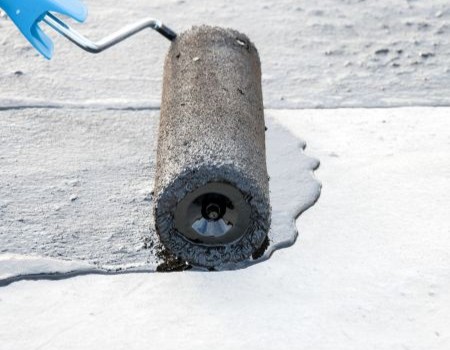
Florida’s Gulf Coast is beautiful, but it is tough on asphalt. Strong sun, salt air, heavy rain, and sudden storms all speed up surface wear. If you’re a homeowner in East Hill or a property manager near Downtown Pensacola, you’ve likely wondered how often to reseal. This guide explains the best sealcoat frequency for our climate and when to schedule professional seal coating to keep your pavement looking sharp and protected.
At Brynco Home Improvements LLC, we maintain driveways and parking lots across Pensacola, Ferry Pass, Gulf Breeze, and nearby communities. Our local climate creates a unique mix of UV, moisture, and traffic stress. Planning your maintenance around these realities helps your asphalt last longer and look better season after season.
Why Florida’s Climate Changes the Rules
Pensacola sits on the Gulf, so asphalt faces year-round UV exposure, salt in the air, and frequent, wind-driven rain. Summer heat softens the surface while daily showers and humidity slow curing when a new coat is applied. During late summer and early fall, tropical systems can dump inches of rain in a day, which washes away unprotected oils and speeds oxidation. That mix means local pavements age faster than those in cooler, drier regions.
Because of these conditions, seal coating here is less “set it and forget it” and more like routine yard care. The coating acts like sunscreen and a rain jacket for asphalt. When it fades, water and sun get in, and small hairline cracks can expand into bigger problems.
The Right Frequency For Seal Coating In Pensacola
Most homeowners in the Pensacola area should plan to reseal every 2 to 3 years if the surface was installed well and has normal residential traffic. Neighborhoods with lots of shade trees, like parts of Cordova Park, might lean toward the 2-year mark because leaves and moisture can linger. Driveways with frequent vehicle turns, boat trailers, or heavy pickups may also need shorter cycles.
Commercial properties, apartment communities, churches, and schools see more vehicle volume and turning pressure. Many of these lots benefit from an annual inspection and a 1 to 2-year sealcoating cycle. That closer cadence helps keep paint crisp, improves curb appeal, and protects the base from water intrusion during storm season.
Factors That Can Shorten Or Extend Your Cycle
- Sun and Heat: Strong UV along the Gulf Coast dries the surface and fades color faster.
- Rain and Humidity: Frequent showers and moisture wear away protective oils and slow curing.
- Traffic: Turning, braking, and heavy loads scuff and shear the top layer.
- Shade and Debris: Leaves, acorns, and standing moisture hold water against the surface.
- Age and Base Condition: Older or poorly drained asphalt loses protection sooner.
These variables explain why two properties a mile apart can need different timelines. A light-use driveway in Perdido Key might stretch to three years, while a busy medical office near Davis Highway may need closer to annual resealing.
Simple Ways To Tell It’s Time To Reseal
Even with a calendar reminder, your asphalt will “talk” to you. Watch for these clear signs:
- Color has turned gray and looks dusty rather than deep black.
- Fine lines or hairline cracks are spreading across the surface.
- Tire paths look smoother and shinier than the rest of the drive.
- Water stops beading and begins to soak in instead of running off.
When you notice two or more of these at once, it’s smart to schedule an evaluation. If cracks are already visible, pairing asphalt repair with your next seal coat helps protect the base and prevents small problems from growing.
Best Seasons And Weather Windows On The Gulf Coast
Late spring through mid-summer usually offers the most predictable curing conditions. Daytime warmth helps the coating set, and longer, drier stretches reduce moisture risk. Early fall can also work well if a stable forecast holds. Still, afternoons often bring surprise showers, so planning matters.
For deeper timing insights, this seasonal strategy for seal coating outlines why picking the right window can extend performance and appearance.
Residential Versus Commercial: How Needs Differ
Residential driveways usually see fewer vehicles and less turning pressure. A healthy surface with good drainage often does well on a 2 to 3-year cadence. Keep trees trimmed and ensure downspouts don’t dump water onto the drive. **Check drainage before scheduling** so your new coat can cure evenly.
Commercial and multi-family properties deal with trucks, frequent deliveries, and constant turning in small spaces. Lane markings fade faster, and the surface shines where vehicles pivot. **Commercial lots often need annual inspections** to set the right 1 to 2-year plan and keep striping visible and safe for customers and tenants.
How Gulf Coast Weather Impacts Performance
Our climate speeds up oxidation and magnifies small issues. Salt-laden air along Pensacola Bay and the barrier islands can dry the surface film, while repeated summer showers rinse away oil binders. Heavy rain finds even tiny openings and works downward. This is why staying ahead of wear is wiser than waiting until cracks spread.
Your goal is simple: protect the top layer so water and sun don’t reach the base. Many owners use a repeating calendar reminder to check their surface each spring. That habit, combined with a predictable reseal schedule, keeps your maintenance steady and avoids big surprises during hurricane season.
What A Local Maintenance Plan Looks Like
Every site is different, but most Pensacola properties follow a pattern. After a quality seal coat, expect rich, even color and a smooth, uniform texture. Over time, that color softens to dark gray. Traffic paths begin to show light shine, and water beads a bit less. That’s when it’s time to plan the next service. If a section receives shade and stays damp, it may show wear sooner than sunny areas; your plan can target those sections first.
To keep things simple, many owners pair resealing with a yearly checkup. A quick walk-through can catch drainage issues and small cracks early. If anything needs attention, your crew can recommend the right sequence so each step supports the next.
How Often Should You Seal Coat? A Practical Guide
Use this as a Pensacola-focused rule of thumb. Adjust based on traffic and site conditions.
Home driveways: every 2 to 3 years, with a brief annual check each spring. If you park heavy vehicles or tow boats, expect closer to 2 years.
Small commercial lots: inspect yearly, reseal every 1 to 2 years depending on traffic, turning, and shade. Re-mark striping as needed for visibility.
High-traffic centers: inspect twice a year; plan for 1-year reseal cycles in areas with frequent turning and delivery traffic. Coordinate timing to limit downtime.
This schedule protects your investment, keeps surfaces looking sharp, and reduces the chance of water reaching the base. It also lines up with our area’s storm patterns, so fresh coatings are in place before the heaviest rains.
Avoid Common Timing Mistakes
Two preventable issues hurt performance the most. First, apply a new coat right before a likely rain event. Second, opening the surface to vehicles too soon. **Always allow two full dry days** if possible. Give shaded areas extra time, since they often cure more slowly than sunny spots.
Another mistake is waiting until the surface looks faded and cracked everywhere. That invites moisture beneath the coating and can increase the chance of base damage. If you notice trouble in high-traffic areas, address those zones early rather than waiting for the entire lot to reach the same condition.
Sealcoat Frequency And Your Property Value
Fresh, even color and crisp lines make a property feel cared for. That first impression matters to homebuyers and customers. Regular maintenance also helps reduce unplanned downtime from pothole repairs or trip hazards. Keeping a tight cycle is a simple way to show pride in your home or business while protecting your budget over time.
When you’re comparing options, remember that the right cadence is the one matched to your site, not an average pulled from a different climate. Pensacola’s mix of UV, salt air, and rain calls for local experience and a plan built for your address.
Get A Local Plan That Fits Your Property
If you want a quick readiness check, step outside after a rain and look for beading. If water sits flat or soaks in, your surface is ready for attention. If color is dull and the texture feels rough to the touch, that’s another sign. **Look for dull color and rough texture** as a simple, reliable cue.
Whether you manage a retail center on Nine Mile Road or a driveway in Scenic Heights, Brynco Home Improvements LLC can build a schedule that fits your use and weather exposure. For an overview of services, here’s more on seal coating for Pensacola properties. If you also see growing cracks or soft spots, we can coordinate needed asphalt repair before your next coat so the protection lasts.
For homeowners and managers searching for property maintenance in Pensacola, FL, working with a team that understands local weather windows is key. We plan around humidity, pop-up storms, and neighborhood traffic patterns so your coating cures right the first time.
Ready To Protect Your Asphalt?
Let Brynco Home Improvements LLC review your surface and set the right schedule before peak rain and heat return. If the timing looks good, we’ll help you plan your next service during a calm period so downtime is minimal. To get started, call 850-777-0306 or schedule your seal coating with our local team. We’re here to help you extend the life and look of your pavement with a plan that fits Pensacola’s climate.