Florida Asphalt Repair: Fixing Subbase Failures Caused by High Water Tables
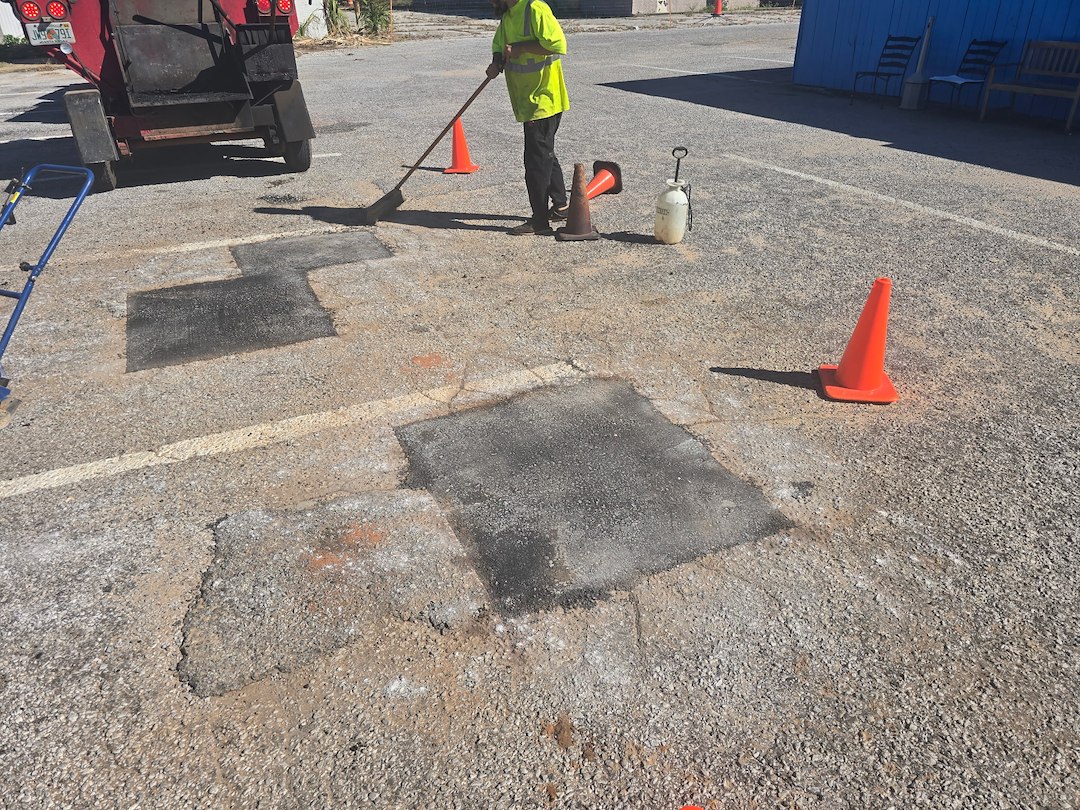
Florida’s sandy soils and high water tables are tough on commercial pavement. When heavy summer rains arrive, water rises through the limerock base and weakens it. The result is rutting, soft spots, and cracking that keep returning no matter how many times the surface gets patched.
This article explains why simple overlays fail on deep base problems and what truly fixes the issue for the long term. You will learn how full-depth patching and drainage improvements work together to stop repeat failures and protect your investment. For more detail on scopes and methods, see our asphalt repair services.
Speak with a pavement specialist at Brynco Home Improvements LLC at 850-777-0306. We help facility and property managers across Florida plan repairs before the wet season so operations run smoothly.
Why Florida Asphalt Fails: Sandy Soils And High Water Tables
Most Florida lots are built over sandy subgrade with a limerock base. During long rain events, the water table can rise close to the surface. The base absorbs moisture and loses strength. Traffic loads then push the asphalt into soft areas, creating ruts and fatigue lines that grow into alligator cracking.
Standing water makes the problem worse. If puddles sit for hours after a storm, that water is likely seeping through minor surface cracks and saturating the base below. Over time, the asphalt flexes too much and begins to break apart.
- Signs of subbase failure: persistent puddles, pumping of fines at cracks, tire depressions that rebound slowly, and cracking shaped like a reptile’s skin.
- High-risk zones: drive lanes where trucks turn, dumpster pads, loading docks, and entrances that see constant braking and acceleration.
Surface Patches Vs. Full-Depth Repairs
Surface patching adds a thin layer of asphalt over a damaged area. It hides cracks for a short time but does not restore the strength of the soaked base. Traffic quickly re-creates the ruts, and the patch shears at the edges.
Surface patches over deep ruts do not last in saturated subbase conditions. When the base is weak, the only reliable fix is to remove the failed material and rebuild the structure from the ground up. That is why experienced contractors recommend full-depth patching for areas with widespread alligator cracking, rutting, and pumping.
If you are weighing options, review the expected traffic and the moisture conditions on site. When base moisture is high, or drainage is poor, a structural repair is the safer choice. Learn what a full structural scope includes on our page for full-depth asphalt patching.
How Professionals Fix Subbase Failures
Full-depth patching focuses on strength, stability, and proper drainage. While each property is unique, a quality repair usually follows a proven sequence designed to replace weak material and restore load-bearing support.
First, crews define the repair area beyond the visible cracking. Saw cuts or milling create clean, straight edges. The failed asphalt is removed and the soft limerock is excavated until crews reach firm, dry material that holds shape under foot and equipment.
Next, water problems are addressed. Sumps, edge undercuts, or temporary dewatering may be used to keep the hole dry enough for reconstruction. A separator fabric or stabilization layer can be placed where soils are silty or where fines have migrated.
Crews then rebuild the base in lifts. Durable aggregate is placed and compacted at the correct moisture content so it locks tight. In high-risk spots like dumpster pads or truck lanes, reinforcement such as a stabilizing grid may be specified to spread loads. The asphalt is installed in one or more lifts with proper tack between layers and a rolling pattern that reaches density targets.
The finished patch ties smoothly into the surrounding pavement. Edges are sealed to limit infiltration. When done correctly, the repaired area carries traffic like a new section of pavement because it has a sound foundation, not just a new skin.
Drainage Corrections That Protect Your Pavement
Even the best patch will struggle if water keeps flooding the base. Drainage fixes reduce the time water sits on or under the asphalt, which keeps the base dry and strong. The right approach depends on your property layout, soil, and utilities.
Common improvements include minor regrading to create a positive slope, clearing clogged inlets, adding curb cuts where safe, and routing downspouts away from drive lanes. In some cases, swales, underdrains, or additional catch basins are considered. Solutions vary by site and should be designed to move water off the pavement and into approved stormwater areas.
Fix the drainage first, then repair the pavement. When water has a controlled path to escape, your new patch is far more likely to last through Florida’s storm cycles.
Pre-Wet Season Inspection Checklist For Property Managers
Use this simple checklist each spring to spot base failures and water risks before the heaviest rains. Walk the site after a typical storm and again after a heavier downpour to compare what you see.
- Look for puddles that remain longer than four hours, especially near catch basins, curb returns, and dumpster pads.
- Check for rutting in drive lanes where trucks turn or brake. Note any tire depressions that feel soft underfoot.
- Watch for fines being pumped up through cracks or joints. This looks like gray slurry after traffic passes.
- Inspect downspouts and roof drains that discharge onto pavement. Redirect where practical so water does not cross busy lanes.
- Confirm that inlets and swales are clear of debris and overgrown grass so water can move freely.
- Mark alligator cracking that covers an area wider than a parking stall. These spots often indicate a weak base, not just surface aging.
- Document trouble spots with photos and dates. Consistent issues after normal storms suggest base saturation.
Share your notes with a qualified contractor. A brief site review can separate cosmetic wear from structural problems and help you prioritize work before the calendar fills up.
Where Florida Properties See Trouble Most Often
High water tables and heavy traffic combine to create predictable failure zones. Loading docks and dumpster pads take impact and twisting loads that reveal soft base quickly. Entrances and intersections see constant braking that shoves asphalt over any weakness. Perimeters near retention ponds can also stay damp longer, which weakens support.
Coastal areas often face additional challenges from frequent rains and limited drying time. Panhandle properties may see extended wet periods in late summer. Central and South Florida lots get intense downpours that test drainage. These patterns make it important to build strong base support and to keep water moving off the site.
Schedule repairs after a dry window so the base compacts correctly. Moisture control during reconstruction is just as important as compaction effort. When crews can work in the driest period, density is easier to reach, and patches last longer.
How To Prioritize Repairs Without Guesswork
Start by mapping risk and impact. Focus first on areas that threaten safety or daily operations, such as entrances, ADA routes, and busy drive lanes. Next, look at spots where repeated patching has failed. This pattern signals deeper issues that are wasting your budget. A structural repair may cost more up front, but it typically saves repeated service calls and downtime.
Ask your contractor to explain the planned excavation depth, base type, lift thicknesses, and compaction targets. These details show that the scope is designed for Florida conditions, not just a surface fix. If drainage plays a role, make sure the plan addresses grades or outlets at the same time as the patch so the repair does not drown again.
Maintenance Habits That Extend Pavement Life
Once structural issues are corrected, a few simple habits will keep your investment strong. Keep debris out of inlets so water can leave the lot. Seal cracks before the rainy season so less water reaches the base. Refresh striping and signage to guide traffic and reduce hard turning where possible. These small steps help you hold onto the strength you just paid to rebuild.
Get Durable Results With Proven Florida Asphalt Repair
When subbase failures show up, fast patches only hide the symptoms. Full-depth structural repairs and smarter drainage are what stop the cycle and protect your budget. The team at Brynco Home Improvements LLC specializes in diagnosing moisture-related failures and rebuilding the section so it stands up to Florida’s wet season and heavy traffic.
For fast, durable Florida asphalt repair on commercial lots, call us before the wet season sets in. You can also learn how our crews rebuild weak sections and restore safe operations by exploring our approach to asphalt repair services. Many managers start their planning by reviewing Florida asphalt repair resources and recent project insights on our home page.
If you need help ranking priorities or building a phased plan, our estimators are ready to walk the site and explain options in clear terms. Contact Brynco Home Improvements LLC at 850-777-0306 to schedule a review and prepare your property for the next round of storms.