Concrete vs. Asphalt for Loading Zones in Pensacola, FL: A concrete work Pensacola guide to cost, downtime, and maintenance
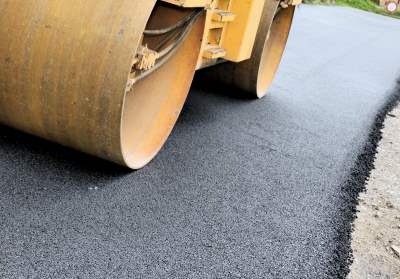
Choosing the right surface for a busy loading bay affects safety, schedules, and the life of your pavement. This concrete work Pensacola guide gives you a clear, local look at how concrete and asphalt perform when forklifts, box trucks, and semis roll in day after day.
If you manage a property in East Hill, Cordova Park, Warrington, Ferry Pass, or near NAS Pensacola, you know Gulf Coast heat, rain, and salt air can test every surface. Below is a practical breakdown to help you set expectations, reduce headaches, and plan smarter upgrades. For details on mix design, reinforcement, and finishing options, explore our concrete work solutions with Brynco Home Improvements LLC.
What Matters Most For Loading Zones
Loading zones are not parking lots. They handle tight turning, point loads from forklifts with small hard tires, and frequent stops that concentrate stress. That reality shapes everything from base prep to surface choice.
- Traffic type and volume: forklifts, delivery vans, box trucks, and 18-wheelers each apply different stresses.
- Climate and drainage: heavy summer rain and quick downpours demand fast runoff and sealed joints or seams.
- Operations schedule: how much downtime you can allow drives your choice and your phasing plan.
- Long-term maintenance: sealing, patching, and surface renewal affect lifetime disruption.
Cost Drivers Property Managers Should Weigh
Up-front numbers tell only part of the story. The biggest cost drivers are site prep, thickness and reinforcement, edge details, and future maintenance. While we do not publish pricing here, the points below will help you compare value over time.
- Subgrade and base: weak or saturated soils near the bay need improvement to handle repeated turning and braking.
- Thickness and reinforcement: forklifts apply high loads to small footprints, so the slab or mat must resist punching and rutting.
- Drainage and sealing: well-placed drains plus sealed joints or seams protect the base and reduce future repairs.
- Access phasing: splitting work into zones can limit business disruption but may add mobilization time.
Tip: Budget for long-term maintenance, not just the install. A surface that needs more frequent patching can cost you more in closures and scheduling pain than you expect.
Downtime And Phasing For Busy Pensacola Sites
Downtime can be a bigger cost than the material itself. Asphalt can often open to light traffic sooner after placement, while concrete needs a longer cure to reach design strength. Your decision may come down to whether you can stage work or create a temporary bypass.
Common phasing choices in our area include night pours, weekend work, or alternating dock doors so deliveries continue. For facilities near Downtown Pensacola or industrial corridors along Highway 98 and I-110, keeping trucks moving is essential. Coordinate with your haulers early so arrivals shift to open docks while a section cures.
If you need guidance on staging, our team can help you plan the sequence and finishing options on the concrete work page.
Maintenance In Gulf Coast Conditions
Salt air, heat, and heavy rain create three common wear patterns: water intrusion, surface softening in extreme heat, and joint or seam failures. Stay ahead of these to extend life and keep operations smooth.
Water control is nonnegotiable. Standing water at dock doors or wheel paths accelerates base failure. Keep gutters clear, confirm slope toward drains, and maintain sealed joints or seams so water does not reach the base course.
In hot months, forklifts turning in tight circles can scuff or rut softer surfaces. Concrete resists rutting and shoving, while asphalt may need periodic surface renewal where tires pivot. To compare upkeep routines, see our local take on asphalt repair and maintenance tips for high-traffic areas.
Seal your control joints. On concrete, quality joint sealing helps block water, grit, and fuel drips from reaching the base. It also limits spalling at the edges, which reduces trip hazards for workers on foot near pallets and dock plates.
Forklifts, Trucks, And Slab Thickness Basics
Forklifts bring special challenges. Solid or cushion tires put heavy loads onto small contact patches. Repeated turning concentrates stress in predictable arcs near dock doors and staging lanes.
With concrete, thickness and reinforcement are selected for the load, subgrade, and the expected turning paths. Dowel bars at joints help transfer loads and limit differential settlement. Good curing practice supports long-term strength and reduces early-age cracking.
With asphalt, stable, well-compacted base layers matter as much as the surface. Heavier-duty mixes can handle truck lanes, but tight forklift pivots can still create surface shoving under summer heat. Planning thicker or reinforced concrete at forklift turn zones is common in mixed-material yards.
Bottom line: match the pavement structure to the exact wheel loads and traffic paths around your docks. A little mapping of turn radii and wheel paths goes a long way toward preventing premature failures.
Concrete Or Asphalt: How They Compare In Pensacola
Concrete delivers compressive strength and resists rutting in forklift lanes. It pairs well with doweled joints and sealed control joints, and it tolerates hot days without softening. Cure time is longer, so plan phasing or temporary access if your site runs every day.
Asphalt often installs faster and can reopen sooner, which suits facilities with very tight schedules. It is easier to patch in small areas, but may require more frequent surface attention in forklift turn zones. Temperature swings and fuel drips should be part of your maintenance plan.
Many properties combine both materials: concrete pads at dock aprons and high-turning zones, asphalt for approach drives and parking. This hybrid layout balances downtime, performance, and maintenance across different parts of the site.
Joint Sealing, Edges, And Details That Pay Off
Details determine durability. On concrete, joint layout aligned with traffic flow reduces edge stress. Proper sealant selection keeps out water and fines. Edge thickening or reinforced edges protect high-impact areas at dock corners and curb lines.
On asphalt, stable edges prevent unraveling where pallets or tires ride along the side. Seam compaction, especially at cold joints, reduces future cracking. For both materials, tight transitions at dock plates and thresholds prevent pounding that can break down the surface.
Operations, Safety, And Surface Texture
Loading zones must balance traction with smooth forklift travel. A light broom finish on concrete gives grip without shaking operators or loads. For asphalt, mix choice and compaction set the texture and stability. Fuel and oil cleanup should be routine, since hydrocarbons can soften asphalt and stain any surface.
Think about line striping, wheel stops, and bollards the same time you plan your surface. Well-marked lanes cut sharp turns that damage pavements and pallets. Good lighting and clear markings also reduce incidents at night during Gulf Coast storm seasons.
How Weather And Location Shape Your Choice
Pensacola’s pattern of intense summer heat, sudden downpours, and the occasional tropical system puts pressure on drainage and surface stability. Areas near the bay, from Sanders Beach to Bayou Texar, may see more salt spray and saturated soils after storms. Sites farther inland like Brent or Ensley often deal with heavy afternoon thunderstorms that overwhelm marginal drainage.
Ask your paving team to check soil support at the dock line and the wheel paths that carry the heaviest loads. Small adjustments in base thickness or reinforcement in those strips can stop ruts and settlement before they start.
If you want to learn more about our approach, you can read how Brynco Home Improvements LLC handles finishing, curing, and joint sealing on our concrete work page.
When Asphalt Shines And When Concrete Wins
Choose asphalt when schedule pressure dominates and heavy forklift turning is limited. It is a strong fit for approach drives and larger truck lanes that need to open quickly. Plan routine surface checks in summer and touch-up work before small scuffs become bigger repairs.
Choose concrete when forklift turning, point loads, or long, static truck loads are the norm. The surface resists shoving and stands up well under heat. A careful curing window and sealed joints reward you with longer intervals between interventions.
For many Pensacola properties, the best answer is a mix: concrete at the dock apron and staging lanes, asphalt for longer approaches. That way you control downtime while matching performance to each zone’s real-world use.
Set Expectations, Then Build The Right Plan
Before you commit, confirm three things with your contractor: traffic mapping, drainage paths, and a maintenance calendar. That gives you a plan you can share with tenants, vendors, and your team so everyone knows when bays are open and what to watch after storms.
It also helps your budget. Instead of guessing, you can allocate funds to the highest-stress areas first, then phase the rest to match lease renewals or seasonal slowdowns.
If you want a quick way to compare upkeep tasks over time, bookmark our overview of asphalt repair and maintenance tips. And if you need a broader snapshot of services, start at our home page with concrete work in Pensacola, FL to see how Brynco Home Improvements LLC supports local facilities.
Ready To Reinforce Your Loading Zone
You do not have to choose alone. Tell us your traffic mix, schedule limits, and the trouble spots you see after summer storms. Our team will map wheel paths, check base support, and recommend a surface plan that fits your timeline.
Call Brynco Home Improvements LLC at 850-777-0306 to start a site walk. If concrete is the right move, we will outline reinforcement, joint layout, and curing so your team knows exactly what to expect. When you are ready, we can schedule and coordinate with your carriers to keep goods moving while work progresses. To learn more, review our approach to durable bays and aprons on our concrete work page for service in Pensacola and the Gulf Coast area.